



Walk into most kitchens and you’ll still find strong-smelling sprays, bleach bottles, and heavy-foam detergents sitting under the sink. For decades, harsh chemical cleaners have been the default choice for tackling grease, oil splatters, and sticky food stains.
But cleaning science has evolved.
Today, many households are switching to enzymatic kitchen cleaner wipes — a smarter, safer, and more modern approach to kitchen hygiene. These wipes rely on enzyme technology instead of harsh chemical stripping to break down grease and food residue.
So the big question is:
Are enzymatic kitchen cleaner wipes actually better than traditional cleaners?
In this guide, we’ll compare how they work, how safe they are, and whether they’re truly effective for everyday kitchen use — so you can decide what’s best for your family and your home.
What Are Enzymatic Kitchen Cleaner Wipes?
At their core, enzymatic kitchen cleaner wipes combine two powerful cleaning components:
- Enzymes
- Non-ionic surfactants
Let’s break that down in simple terms.
Enzyme Technology: Breaking Down the Problem
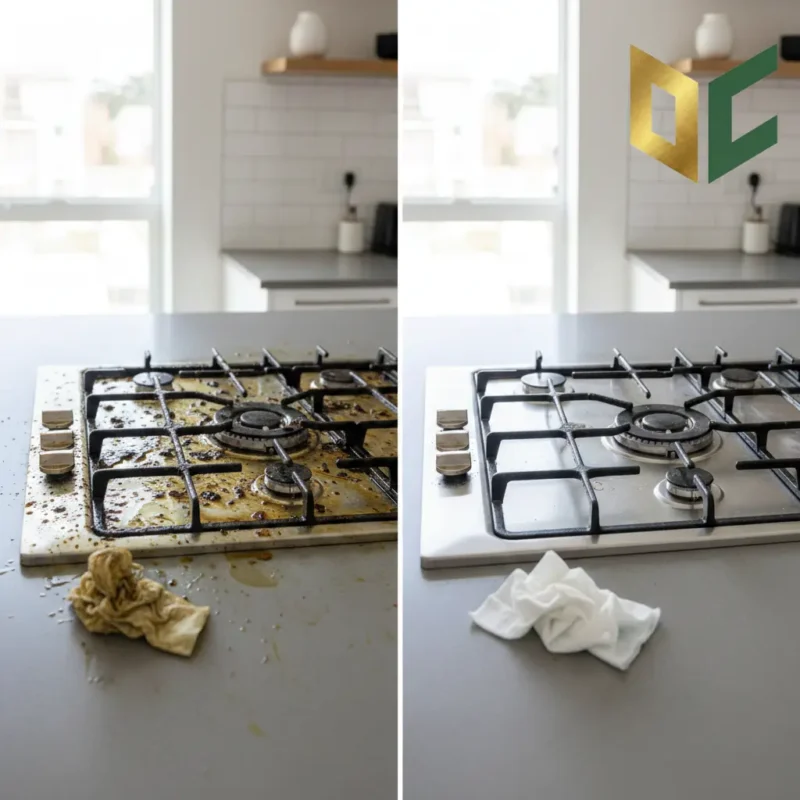
Enzymes are natural protein molecules designed to target specific types of stains. In the kitchen, that usually means:
- Oil splatters
- Grease buildup
- Food stains
- Sticky residues
Instead of scrubbing aggressively or chemically burning through grime, enzymes trigger a deep penetrating action that breaks food stains and oil into smaller particles. This process is often described as food stains and oil breakdown — because the enzyme literally “digests” the residue.
This is why an enzyme based kitchen cleaner works differently from bleach-based alternatives.
Non-Ionic Surfactants: Lifting the Grease Away
Once the enzymes break down the grease, non-ionic surfactants step in. These surfactants:
- Lift loosened dirt
- Suspend oil particles
- Help wipe away grime easily
Unlike heavy foam detergents, enzymatic wipes are often a low foam kitchen cleaner solution. That means:
- Less rinsing
- Less streaking
- A cleaner, residue-free finish
The result? A smarter, more efficient way to maintain your kitchen hygiene routine.
How Traditional Kitchen Cleaners Work
Traditional kitchen cleaners typically rely on:
- Bleach
- Strong acids
- High-alkaline detergents
- Heavy foaming agents
These cleaners work by chemical stripping. Instead of breaking down stains naturally, they dissolve or burn through them using aggressive ingredients.
While they can be effective, they may also:
- Leave behind chemical residue
- Produce strong odors
- Strip protective finishes from surfaces
- Require gloves or extra ventilation
Many heavy-duty cleaners are powerful — but sometimes more powerful than necessary for daily oil splatters or food spills.
That’s why families are now looking for a non toxic kitchen cleaner alternative that balances effectiveness with safety.
Enzymatic Kitchen Wipes vs Regular Cleaners (Side-by-Side Comparison)
Here’s a practical comparison to help you evaluate both options:
| Feature | Enzymatic Wipes | Traditional Cleaners |
| Grease Removal | Enzyme breakdown | Chemical stripping |
| Safety | No bleach or harsh acids | Often contains harsh chemicals |
| Residue | Low foam, residue-free finish | Can leave film or streaks |
| Surface Safety | Gentle on finishes | May damage sensitive surfaces |
| Eco Impact | Biodegradable ingredients | Chemical-heavy formulations |
| Convenience | Ready-to-use grease removing wipes | Spray + cloth required |
If you’re searching for the best kitchen wipes for grease, the difference often comes down to how the cleaning happens — natural breakdown vs chemical force.
Are Enzymatic Kitchen Cleaner Wipes Safe for Food Surfaces?
This is where many buyers hesitate — and rightly so.
If you’re cleaning:
- Countertops
- Stove tops
- Kitchen cabinets
- Dining surfaces
You want a food safe surface cleaner.
When used as directed, enzymatic kitchen wipes are typically formulated without:
- Bleach
- Harsh acids
- Strong corrosive agents
Because they use enzyme technology and low-foam surfactants, they’re often considered a chemical free kitchen cleaning solution alternative for daily maintenance.
They’re designed for families — meaning they focus on:
- Minimal chemical smell
- Reduced residue
- Surface compatibility
For households concerned about safety, especially those with kids, pets, or food prep areas, safe kitchen cleaning wipes for families are becoming the preferred choice.
When Should You Choose Enzymatic Kitchen Wipes?
Enzymatic cleaning shines in everyday scenarios like:
✔ Daily oil splatter after cooking
✔ Quick wipe-down after meal prep
✔ Sticky spills on counters
✔ Grease buildup near the stove
✔ Small kitchen spaces
✔ Rental homes where surfaces vary
Because they’re pre-moistened and ready to use, they’re especially helpful for:
- Busy working families
- Compact urban kitchens
- Quick post-cooking cleanup
Instead of pulling out multiple products, you can simply grab a wipe and maintain a consistent kitchen hygiene routine.
Who Should Switch to Enzyme-Based Cleaning?
Enzyme-based cleaning solutions are particularly suitable for:
- Families with young children
- Pet owners
- People sensitive to strong chemical smells
- Eco-conscious households
- Apartment dwellers
- Anyone looking to simplify their cleaning process
If you’ve ever wondered, “Are enzymatic cleaners better than bleach?” — the answer depends on your cleaning goals.
For everyday kitchen grease and food stains, many people find enzymatic cleaning gentler yet effective — without the overpowering chemical smell.
Final Thoughts: A Smarter Way to Clean
Kitchen cleaning has evolved.
Instead of relying solely on harsh chemical force, modern cleaning science uses enzyme technology, biodegradable ingredients, and smarter formulations to deliver effective grease removal without unnecessary aggression.
If you’re looking for:
- A non toxic kitchen cleaner
- A low foam kitchen cleaner
- Grease removing wipes that are convenient
- A food safe surface cleaner for daily use
Then enzymatic solutions offer a balanced, modern alternative.
Upgrading your kitchen cleaning routine doesn’t mean sacrificing effectiveness. It means choosing smarter technology — one that works with the science of stain breakdown rather than against your surfaces.
FAQS
1. Do enzymatic cleaners remove tough grease?
Yes. Enzymes break down grease molecules through biological action, making them easier to wipe away. For regular cooking grease, enzymatic solutions are highly effective.
2. Are enzyme cleaners better than bleach?
Bleach disinfects through chemical oxidation. Enzymatic cleaners focus on breaking down organic matter like oil and food stains. For daily grease cleaning, enzyme-based options are often gentler and more surface-friendly.
3. Can enzymatic kitchen wipes be used daily?
Absolutely. Because they’re typically low foam and residue-free, they’re designed for regular use in kitchen hygiene routines.
4. Do they leave residue?
Most enzymatic wipes are formulated to provide a residue-free finish when used properly, thanks to non-ionic surfactants.
5. Are they safe for stainless steel?
Yes, they are generally suitable for stainless steel, countertops, and cabinets. Always follow manufacturer instructions for best results.
6. How do enzymes clean oil and food stains?
Enzymes act like microscopic workers. They attach to food and oil molecules and break them into smaller pieces, allowing surfactants to lift and remove them easily.
Final Thoughts: A Smarter Way to Clean
Kitchen cleaning has evolved.
Instead of relying solely on harsh chemical force, modern cleaning science uses enzyme technology, biodegradable ingredients, and smarter formulations to deliver effective grease removal without unnecessary aggression.
If you’re looking for:
- A non toxic kitchen cleaner
- A low foam kitchen cleaner
- Grease removing wipes that are convenient
- A food safe surface cleaner for daily use
Then enzymatic solutions offer a balanced, modern alternative.
Upgrading your kitchen cleaning routine doesn’t mean sacrificing effectiveness. It means choosing smarter technology — one that works with the science of stain breakdown rather than against your surfaces.